Circle (CRCL) shares tumbled more than 17% in Tuesday after a consortium backed by some of the biggest names in payments, banking and crypto unveiled Open USD, a new stablecoin designed to challenge incumbents such as USDC.
The new digital dollar is launched by Open Standard, an independent company whose founding partners include Stripe, Coinbase, Mastercard, Visa and BlackRock alongside more than 140 businesses spanning payments, banking, fintech and crypto.
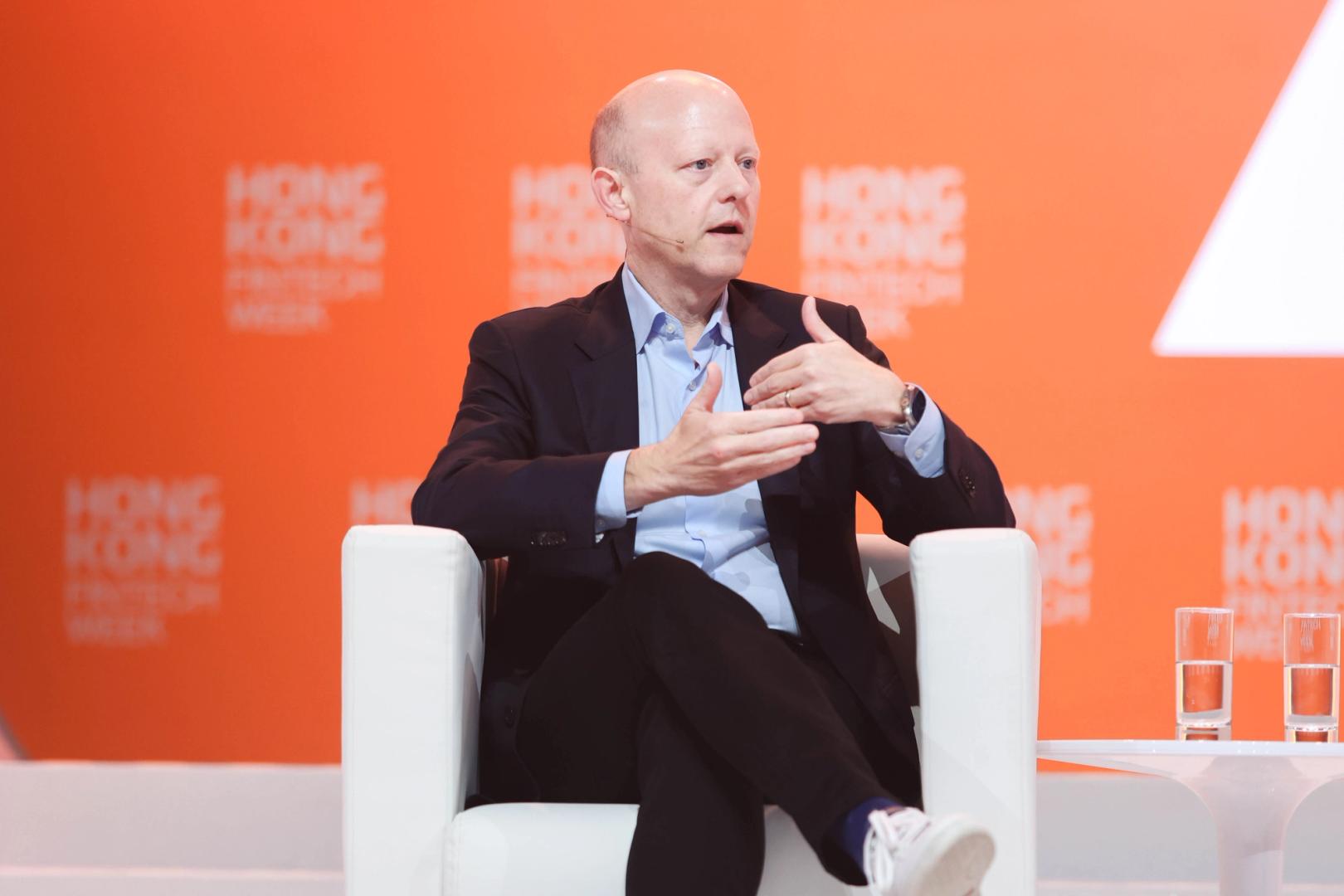
The initiative is led by Zach Abrams, co-founder of stablecoin infrastructure firm Bridge, which Stripe acquired in 2024.
"Existing stablecoins have great strengths, but to use them at scale, businesses need something that’s open, low-cost, high-throughput, broadly accessible, and aligned to their interests," he said.
The announcement follows a CoinDesk report earlier this month that Stripe, Visa and Mastercard were among the companies backing a new stablecoin platform, with Coinbase also weighing participation.
Circle shares closed below $63, at its weakest price since late February and down 55% from mid-May.
The launch comes as stablecoins move further into mainstream finance. Once used primarily by crypto traders, dollar-pegged tokens are increasingly powering cross-border payments, merchant settlements and corporate treasury operations. The market has grown to more than $300 billion and Citi projected it to grow to $4 trillion by 2030, attracting banks, payment companies and fintech firms eager to issue their own digital dollars.
With more institutions embracing stablecoins, the competition is increasingly shifting from issuing tokens to determining who controls the underlying infrastructure and network.
Unlike most existing stablecoins, Open USD will allow businesses to mint and redeem tokens without fees while returning reserve income to participating partners, less a management fee. Governance will also be shared among members rather than controlled by a single issuer.
The model targets one of the core economics of today's stablecoin market. Issuers such as Circle earn revenue by investing reserves backing their tokens in short-term U.S. Treasuries and retaining most of the interest generated by those assets. Open USD instead plans to distribute that yield to participating businesses.
The approach resembles the Global Dollar Network (USDG), a stablecoin consortium led by Paxos that shares reserve income with participating firms. That network is backed by companies including Robinhood, Kraken and Galaxy Digital, and was designed to encourage broader adoption by aligning incentives between the issuer and distribution partners.
In Europe, a group of banks and payment providers launched Qivalis, a venture to develop a euro-denominated stablecoin as financial institutions seek to build shared digital payment infrastructure.
Source
This article is syndicated for educational reading. For the latest updates, visit the original publisher.
Read on coindesk.com