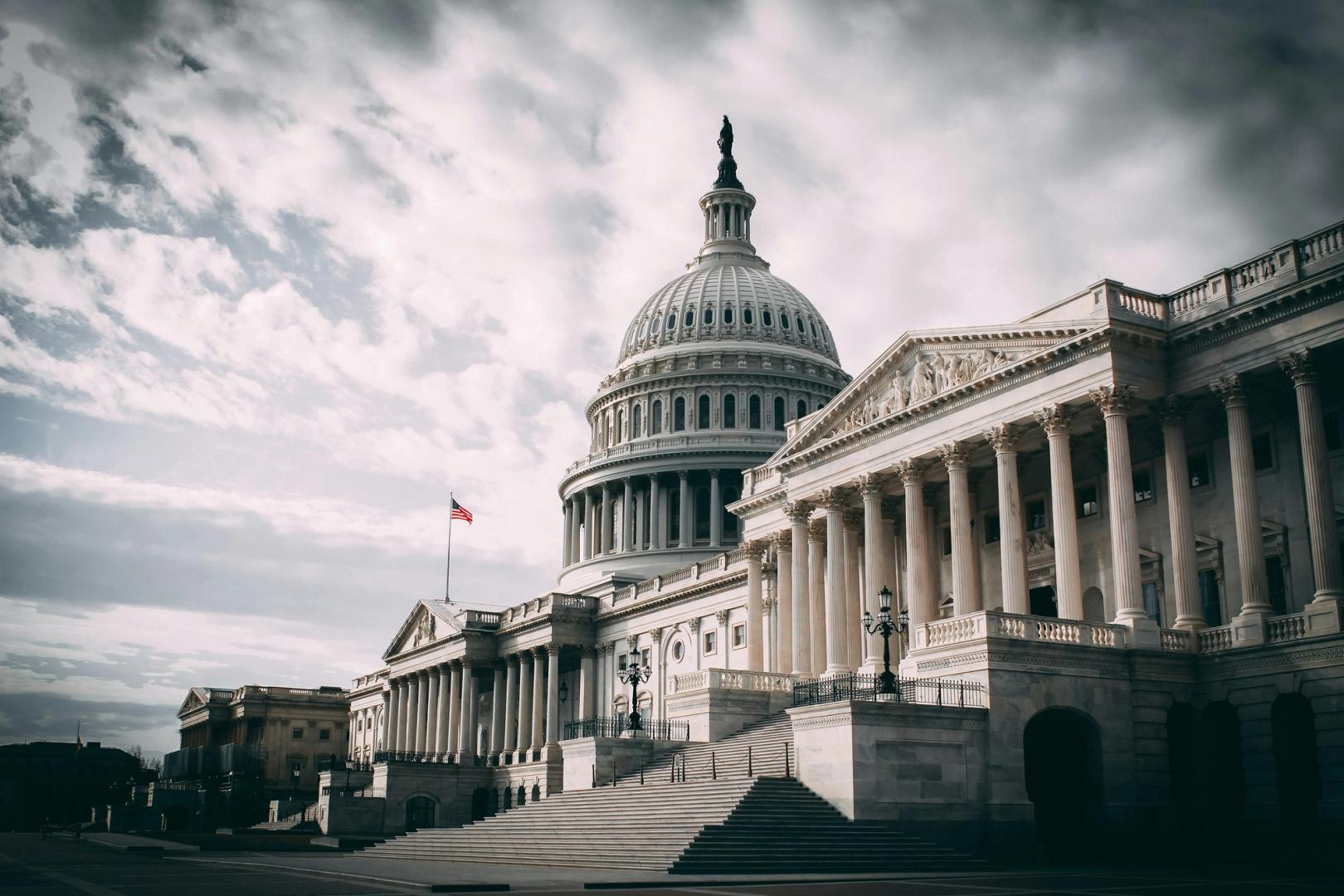
The U.S. Senate's failure to advance the Clarity Act on Tuesday leaves the crypto industry in the world's largest economy without an overarching federal framework and with the roles of the Securities and Exchange Commission (SEC) and Commodity Futures Trading Commission (CFTC) shrouded in ambiguity.
The absence of legal certainty matters. The immediate reaction hit U.S.-focused crypto infrastructure providers, with publicly traded firms like crypto exchange Coinbase Global COIN$178.54·Market Closed and stablecoin issuer Circle Internet CRCL$87.03·Market Closed sliding 10% in the aftermath of the vote.
U.S. retail investors lose access to a clear, regulated market. U.S. institutions lose the certainty they need to commit capital at scale. The country as a whole loses ground in what is increasingly a jurisdictional race to become the world's crypto hub.
CoinDesk is holding its annual Policy and Regulation summit on Sept. 22 in Washington, D.C. Register here.
“The practical reality is that capital and talent move toward environments where the rules are clearest,” said Lin Han, CEO and founder of crypto exchange Gate.
Han, whose crypto exchange focuses primarily on Asia and is ranked fifth on CoinGecko, said the short-term winners are likely to be digital asset service providers with licenses in overseas regulated markets. Even so, the U.S. limbo is not good for the industry overall, regardless of where crypto service providers are based, he said.
The Senate impasse leaves the U.S. and U.K., whose full rules don't come into effect until next year, among the few major global financial hubs without clear rules for the industry. The European Union adopted its Markets in Crypto Asset (MiCA) regulations, which came into full effect in July, in 2023, and Asian markets are advancing their digital asset frameworks.
“The true losers are the American public and the domestic tech ecosystem,” said Stefan Muehlbauer, head of U.S. government affairs at blockchain security firm CertiK. The winners are overseas crypto hubs, grey-market operators and international jurisdictions like Asia and Europe that are rapidly expanding their market share under clear, established rules, he said.
While the SEC and CFTC can promulgate their own rules — as seen Thursday when the SEC published its "innovation exemption" for tokenized securities trading — giving U.S. companies a path forward, that is no substitute for legislation, Muehlbauer said. Clear legislation is likely to matter most to firms weighing investment, product introductions and compliance costs over several years.
Gracy Chen, CEO of exchange Bitget, took a more cautious view of whether the vote will move market activity to Asia.
“I wouldn’t look at it as volume suddenly moving from the U.S. to Asia because of one vote,” she said. “Crypto is inherently a global market, and traders will continue to go where they can find the products, liquidity and access they need.”
The vote extends uncertainty around U.S. market structure and the treatment of digital assets, Chen said. But Bitget’s plans to enter the country with the appropriate licenses and structure do not depend on the bill passing, she added.
Source
This article is syndicated for educational reading. For the latest updates, visit the original publisher.
Read on coindesk.com