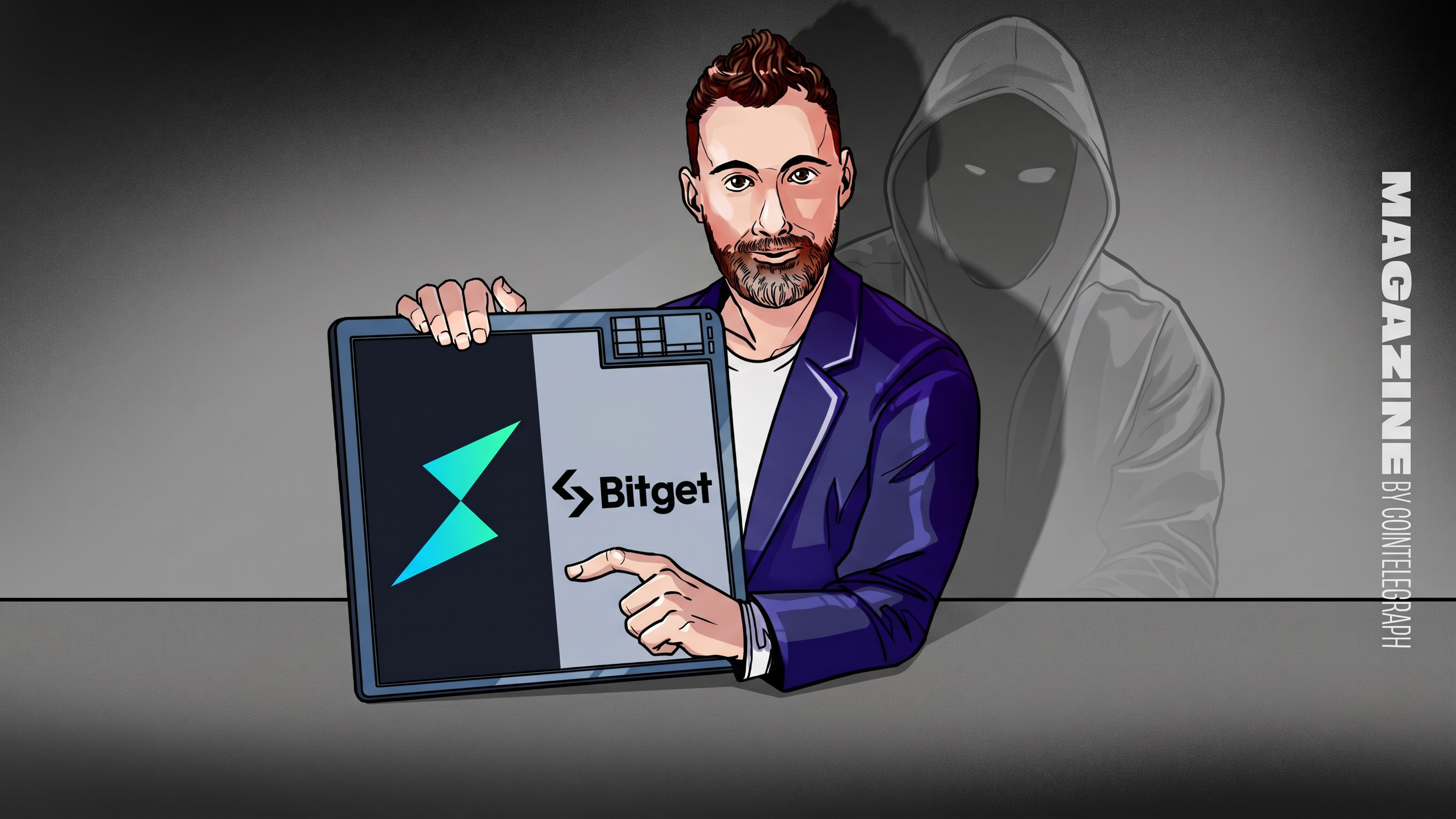
THORChain will not — or can not — block addresses linked to the $387.5 million Bitget hack. Can the devs be prosecuted for money laundering? It’s complicated, says crypto lawyer Yuriy Brisov.
After suspected North Korean hackers exploited crypto exchange Bitget for $387.5 million last week, investigators were able to quickly flag and trace the recipient addresses.
Bitget CEO Gracy Chen then controversially demanded that decentralized cross-chain swaps platform THORChain “refuse service to these addresses.”THORChain responded:
The move was controversial, especially given the protocol was halted immediately in May when $10.7 million of its own funds were exploited. Complicating matters, THORChain has retired its admin key and claims it doesn’t have an easy way to censor addresses, even if it wanted to.
This exact controversy has come up before, as THORChain was used to swap around $1.2 billion of the funds stolen in the $1.46 billion hack of Bybit. It just so happened that THORChain’s admin key had been retired just 11 days earlier.NEAR Intents took the opposite approach to THORChain. Its automated SHIELD program blocked addresses linked to the hack from swapping $50 million on the platform, and even turned down the 5% bounty Bitget was offering for doing so.Now NEAR Intents is under fire from decentralization maxis for not being permissionless enough. To discuss the legal issues involved in the case, Magazine spoke with Yuriy Brisov from D&A Partners. This is an edited version of the conversation.
Magazine: Bitget asked THORChain to block funds tied to the hack, and it responded saying it’s decentralized and permissionless. Is that a legal defense? Do they have an obligation to block those addresses?
Brisov: It depends on the level of decentralization. So when they do this — when they block some addresses — they show that their nodes aren’t truly decentralized. It’s good for the community, when they can use this power to prevent some malicious activities. However, at the same time, they open themselves to any other legal claim. Their only protection is “we are decentralized.” In the Uniswap case, they said ‘we are truly decentralized and there is nothing we can do.’ [Investors sued Uniswap after buying 38 rugpull and scam tokens, but a judge dismissed the case in March —Ed.]
And this is the strongest defense for any DeFi protocol. If they show that they can block, control, or somehow interfere — even in a good faith attempt to prevent fraud — they still open themselves for these kinds of claims. That if you have control, then maybe your control shouldn’t be limited to only obvious fraud cases. You should imply [control over] due diligence matters. You should apply KYC and AML protective measures.
Related: Uniswap beats class action alleging it assisted crypto ‘rug pulls’
Magazine: NEAR Intents blocked those addresses, and Bitget thanked them for doing so. Does that mean NEAR has shown Intents is not decentralized and will therefore need to interfere in lots of other situations?
If you show that you have control over assets, then you potentially open yourself to all potential claims regarding pump-and-dump schemes, volatility, or any other potential claims of any investors who somehow have been damaged and harmed. And they can now say that you have control. Why do you use it in one case and not use it in another case? Why don’t you check all your token issuers on your platform? Why don’t they provide KYC forms like on any centralized exchange?
Magazine: THORChain argues the protocol halt in May was initially triggered by an automated system and that they don’t have the ability to block certain addresses. If true, is that a defense?
Source
This article is syndicated for educational reading. For the latest updates, visit the original publisher.
Read on cointelegraph.com