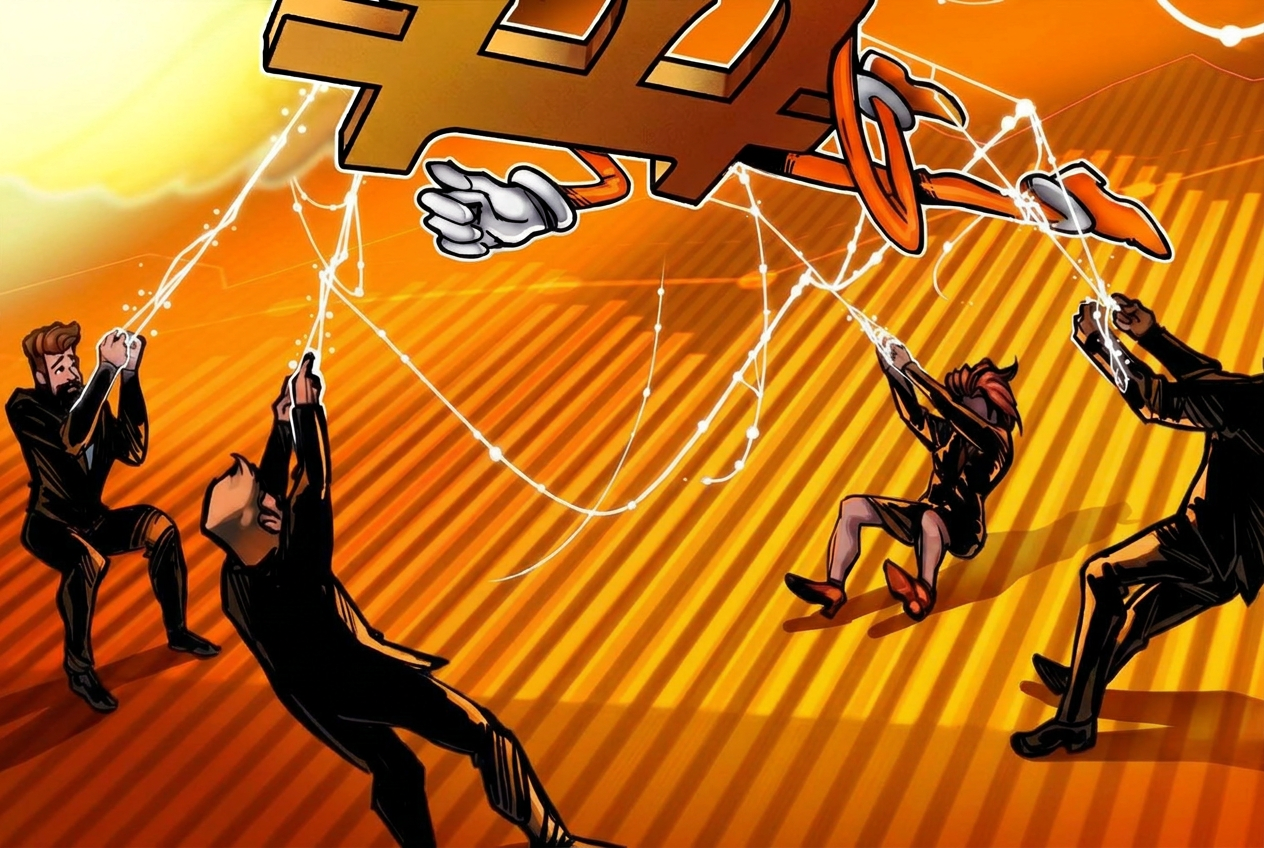
Over 100 crypto projects have shut down, filed for bankruptcy or gone permanently dark in 2026, according to data from RootData, and the pace is accelerating. Four major firms announced closures or filings within a single week in late July alone: BitMEX, BitMart, Movement Labs and Storj Labs.
The exits span every layer of the industry including exchanges, wallets, DeFi lending protocols, NFT marketplaces and layer-1 blockchains. Even an entire Polkadot parachain — Moonbeam, shut down permanently on July 31, stranding users who hadn't bridged their assets off the chain in time.
For a while now, Ethereum's layer-2 ecosystem has been shrinking from its explosive early growth. Layer-2 networks surged in 2023 after advances in the technology dramatically reduced transaction costs and made it easy for companies to launch their own chains. These networks process transactions off Ethereum, bundle them together, and post them back to the main blockchain, allowing them to offer faster and cheaper transactions while still relying on Ethereum for security.
But as launching a chain became easier, the number of general-purpose layer-2s ballooned, creating a crowded market with little differentiation.
"There were way too many general-purpose layer twos, which frankly don't make sense as a product, because there's no reason to have many, many versions of the same thing," Ben Fisch, CEO of Espresso Systems, told CoinDesk. "We're in a consolidation phase for general-purpose layer twos, not layer twos broadly."
Industry leaders argue the shakeout reflects a broader shift across crypto rather than a problem unique to Ethereum scaling networks.
"Consolidation is happening across all of crypto right now, not just layer two, from DeFi protocols to DEXs and infrastructure providers. It's a sign that the industry is maturing. The networks continuing through this period are the ones people actually use and depend on," Marek Olszewski, co-founder of the Celo layer-2, told CoinDesk.
"For every crypto project that you hear about shutting down, there are perhaps another 10 silently doing the same," Nick Puckrin, founder of Coin Bureau, wrote in a post on X. "Creative destruction for the next cycle perhaps."
Orkun Mahir Kılıç, co-founder and CEO of Chainway Labs, which is building the Bitcoin layer-2 Citrea, said the wave of closures reflects a maturing market where capital is harder to raise and investors are becoming more selective.
"Different businesses have different reasons and different underlying problems for shutting down. The pattern we're seeing emerge isn't really an inherent problem within the L2 ecosystem. The market and the tech are maturing, investment is a lot slower and more cautious now, and only projects with sound business models and a clear problem statement will survive," Mahir Kılıç told CoinDesk.
He argued the pattern is common across technology industries. "This pattern of closure and consolidation isn't unique to L2s or crypto; it's pretty common in tech. We saw a similar pattern play out when the internet bubble burst, and we'll probably see the same emerge with AI before long."
In his view, the current shakeout ultimately strengthens the ecosystem. "So is consolidation good? Painful in the short term, healthy in the long run. It resets the baseline back to retention and real usage," Mahir Kılıç said. "Chains that expected users to migrate simply because the tech was better are the ones now shutting down or merging. The ones left standing will be the ones that meet users where they already are."
Source
This article is syndicated for educational reading. For the latest updates, visit the original publisher.
Read on coindesk.com