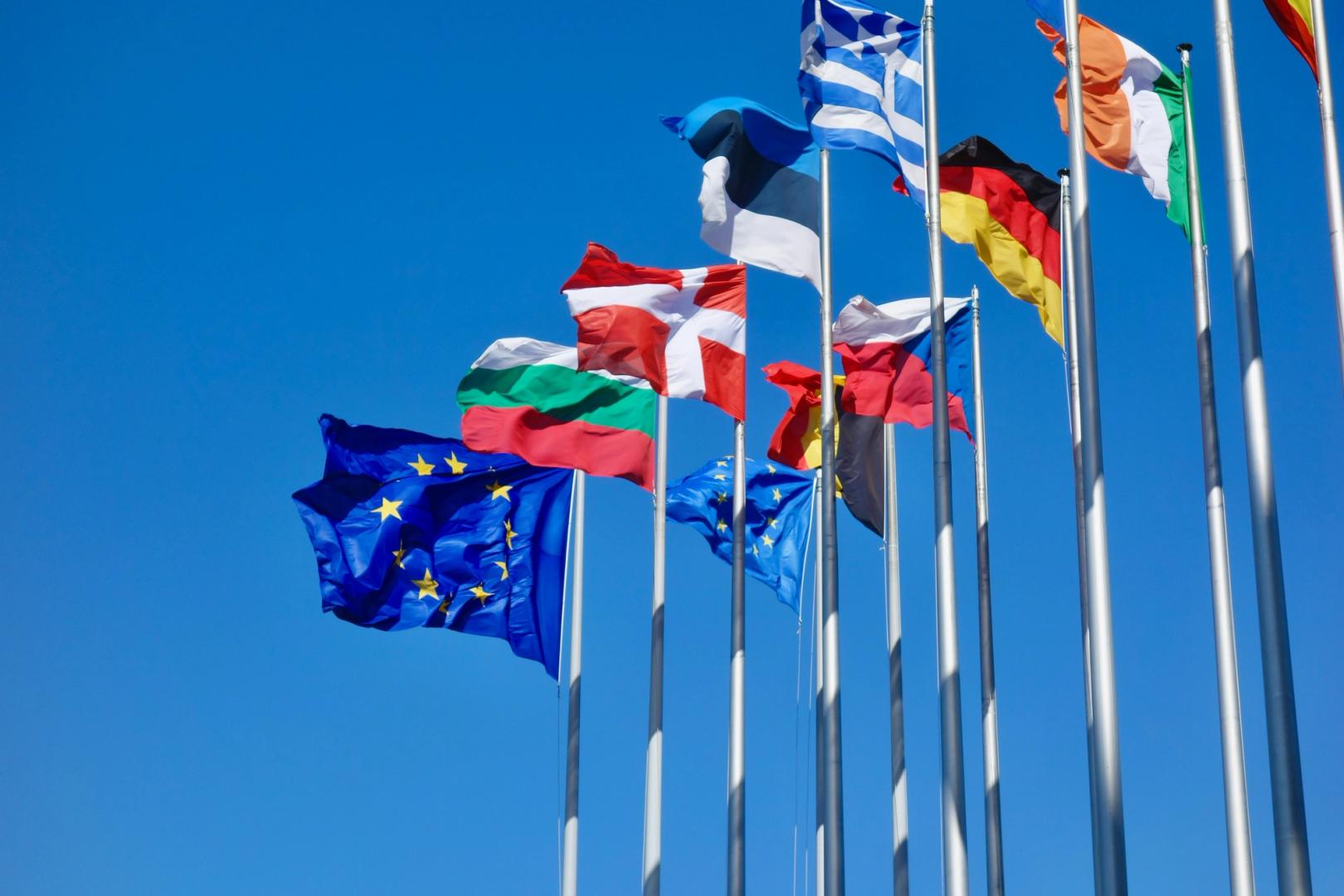
The European Union's (EU) transitional grandfathering period under its Markets in Crypto-Assets (MiCA) regulation ends on July 1, forcing crypto-asset service providers (CASPs) who have yet to attain full licensing under the framework to cease operations in the bloc.
While MiCA is now in full effect in theory, the European Commission is already looking considering which aspects of its regulatory framework need updating. The EU's executive branch initiated a consultation in May to assess whether MiCA was still fit for purpose given how the cryptocurrency industry has evolved over the last few years, especially given newer frameworks in other major markets.
The consultation is not a sign that MiCA fell short, however, according to Patrick Hansen, Circle's director of EU strategy and policy.
"Being the first comprehensive crypto regulatory framework in the world, it was clear from the early days that it would be frequently reviewed with the pace of the crypto-asset and stablecoin markets," Hansen told CoinDesk.
"It makes sense to treat it more or less like a version one. Some things work well, and now let's go back to the drawing board and adjust what's working potentially less well compared to other frameworks in the world," Hansen added.
Stablecoins – tokens pegged to the value of a traditional financial asset, usually a fiat currency – appear to be the standout case of something working "less well" under MiCA, given comparisons with the GENIUS Act for regulating stablecoins in the U.S.
When MiCA was drafted between 2020 and 2023, lawmakers were primarily focused on exchanges and other crypto asset service providers (CASPs). Since then, stablecoins have been used more frequently across parts of the global payments landscape, and regulators have sought to respond by shaping the composition of their own frameworks.
"CASPs were more of a focal point when MiCA was drafted because at that time there were growing concerns with respect to different providers that could freely offer services because crypto assets weren't regulated in any way, shape or form," Eva Legler, counsel for financial institutions regulatory at multinational law firm Skadden, told CoinDesk. "At that point, stablecoins hadn't grown to be as popular as they are these days."
Nevertheless, MiCA has achieved many of its original goals, according to Hansen. There are around 20 euro-denominated stablecoins that have been authorized by the regime, with adoption buoyed by their formal regulation.
It's not perfect, though, he added, pointing to reserve rules that require minimum bank deposits. Attention is also shifting beyond domestic regulation to global oversight. The next phase of policymaking could focus on allowing tokens regulated in one jurisdiction to circulate in another through mutual recognition regimes.
"We could benefit from the global, internet-native nature of these assets instead of fragmenting their circulation through locally fragmented rulebooks," he said.
The EU may have had something of a first-mover disadvantage with regard to regulating crypto assets, as there was no framework in major markets like the U.S or Hong Kong to work with like there is now.
Source
This article is syndicated for educational reading. For the latest updates, visit the original publisher.
Read on coindesk.com