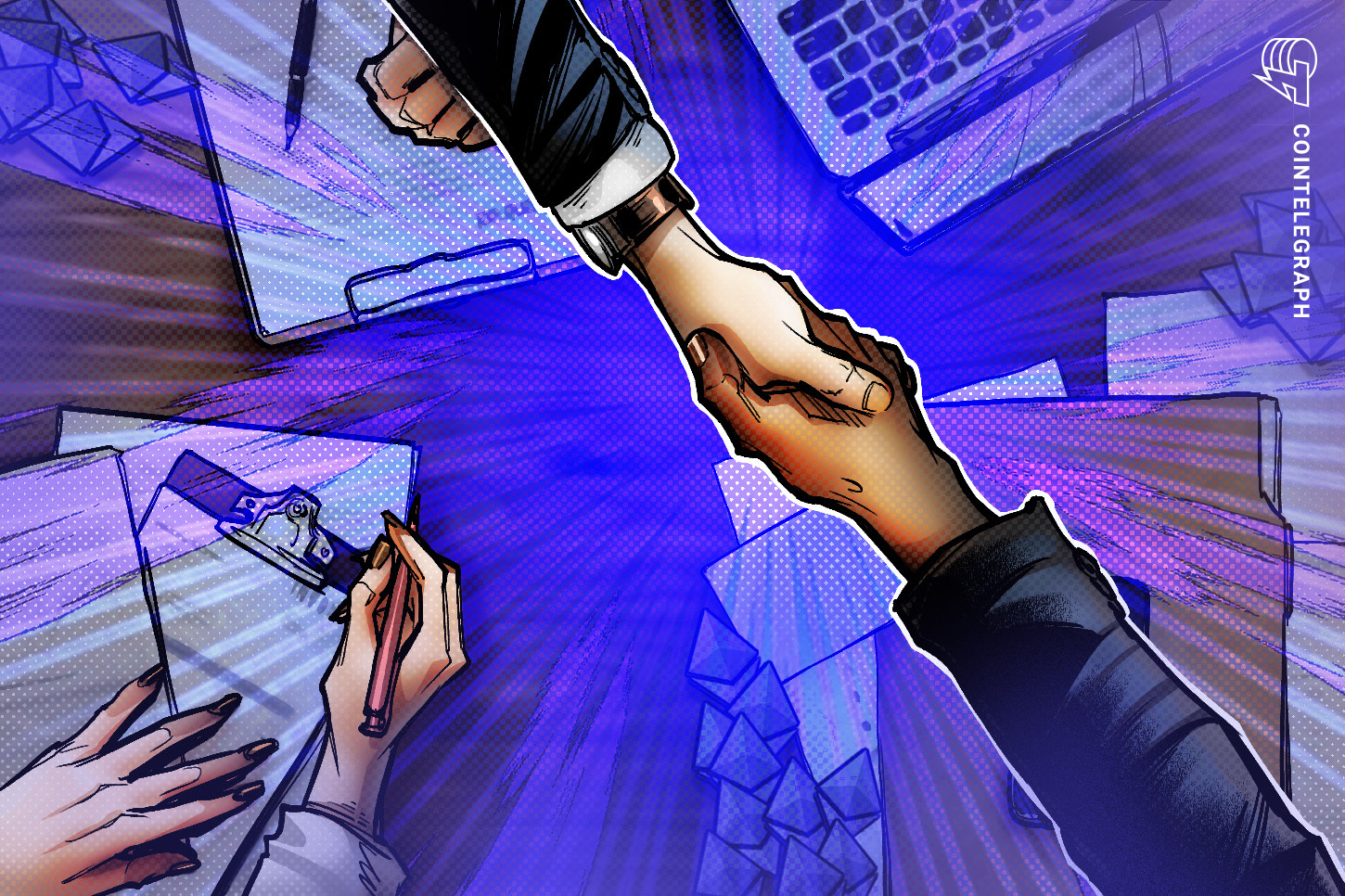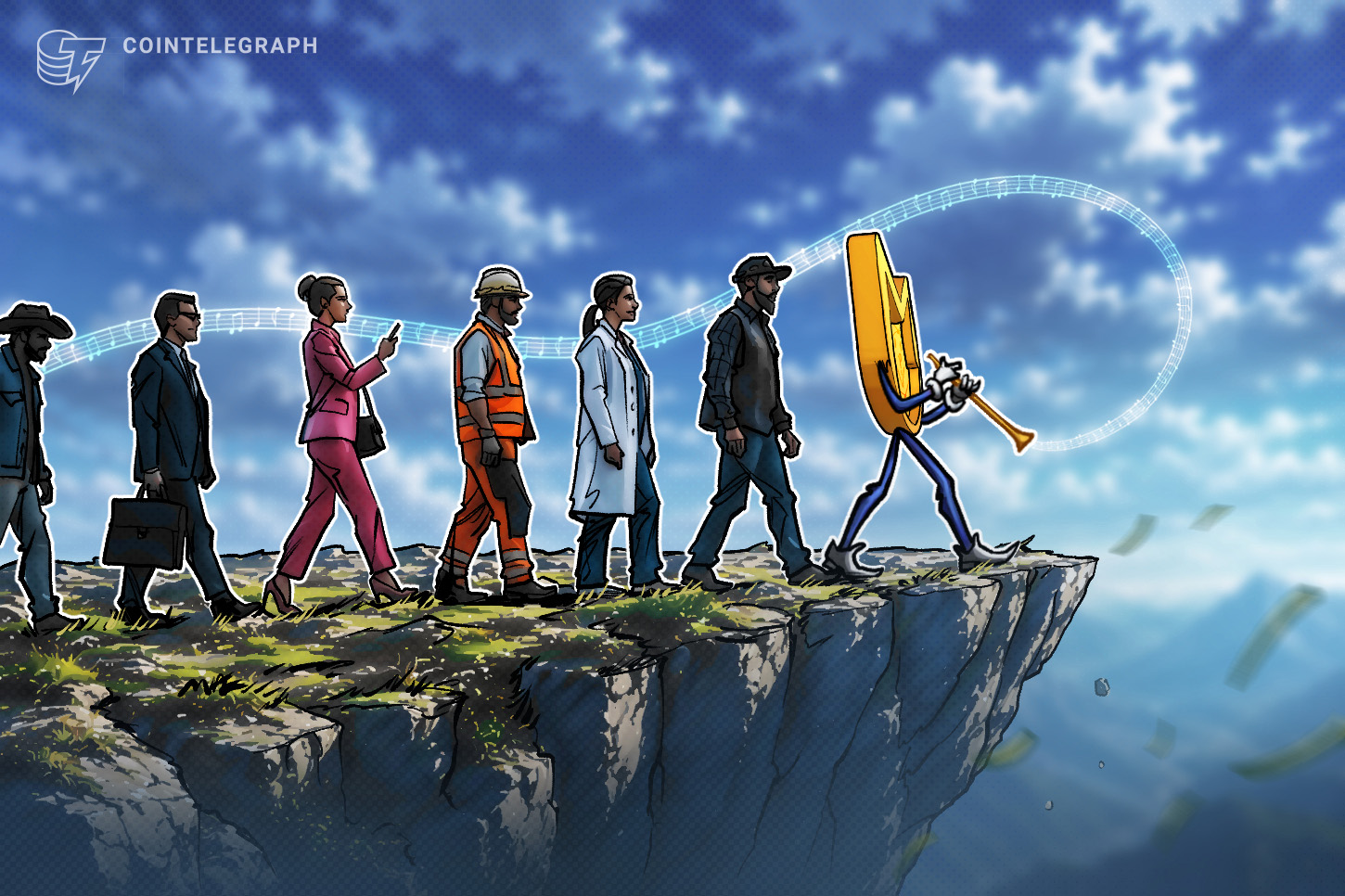
From alcohol dares to head-shaving challenges, memecoin campaigns are turning engagement into exploitation.
Memecoins have never pretended to be serious. Other blockchain projects often present themselves through promises of faster payments, scalable infrastructure or decentralized applications (DApps). Memecoins, however, draw their appeal from humor, absurdity and internet culture.
A photo of a dog can become a billion-dollar asset. A frog image can trigger a wave of speculation. Communities come together around shared jokes, catchphrases and collective excitement, often with little logic beyond the energy of participation.
For much of their existence, memecoins were mostly limited to screens. The risks were mainly financial. Speculators could lose money chasing momentum, but the memes themselves rarely moved far beyond social media feeds and trading interfaces.
Recent controversies surrounding Pump.fun, a Solana-based token launchpad, suggest that memecoin promotion may be moving in a more troubling direction. People have reportedly accepted cryptocurrency payments in exchange for shaving their heads, drinking large amounts of alcohol and having token names tattooed on their bodies.
What was once the internet’s favorite speculative pastime is no longer simply asking participants to click a buy button. In some cases, it is asking them to turn themselves into living advertisements.
Whether this is a new form of community engagement or a troubling sign of the attention economy deserves serious consideration.
Memecoins do not need strong technology or clear utility to attract buyers. Their value often comes from something simpler: how many people are watching, sharing and talking about them.
Most cryptocurrencies try to support their value with utility, such as new technology, better efficiency or new economic models. Memecoins work differently.
Their value depends largely on visibility.
Dogecoin, launched as a joke in 2013, became one of the world’s largest cryptocurrencies mainly through community enthusiasm and celebrity attention. PEPE drew strength from internet meme culture. BONK benefited from momentum within the Solana ecosystem. Countless others have risen and collapsed on social energy alone.
This does not make memecoins illegitimate by default. Markets have long assigned value to things that are not physical, including brands, stories and cultural relevance. But it does mean attention is the scarce resource on which everything else depends.
Source
This article is syndicated for educational reading. For the latest updates, visit the original publisher.
Read on cointelegraph.com