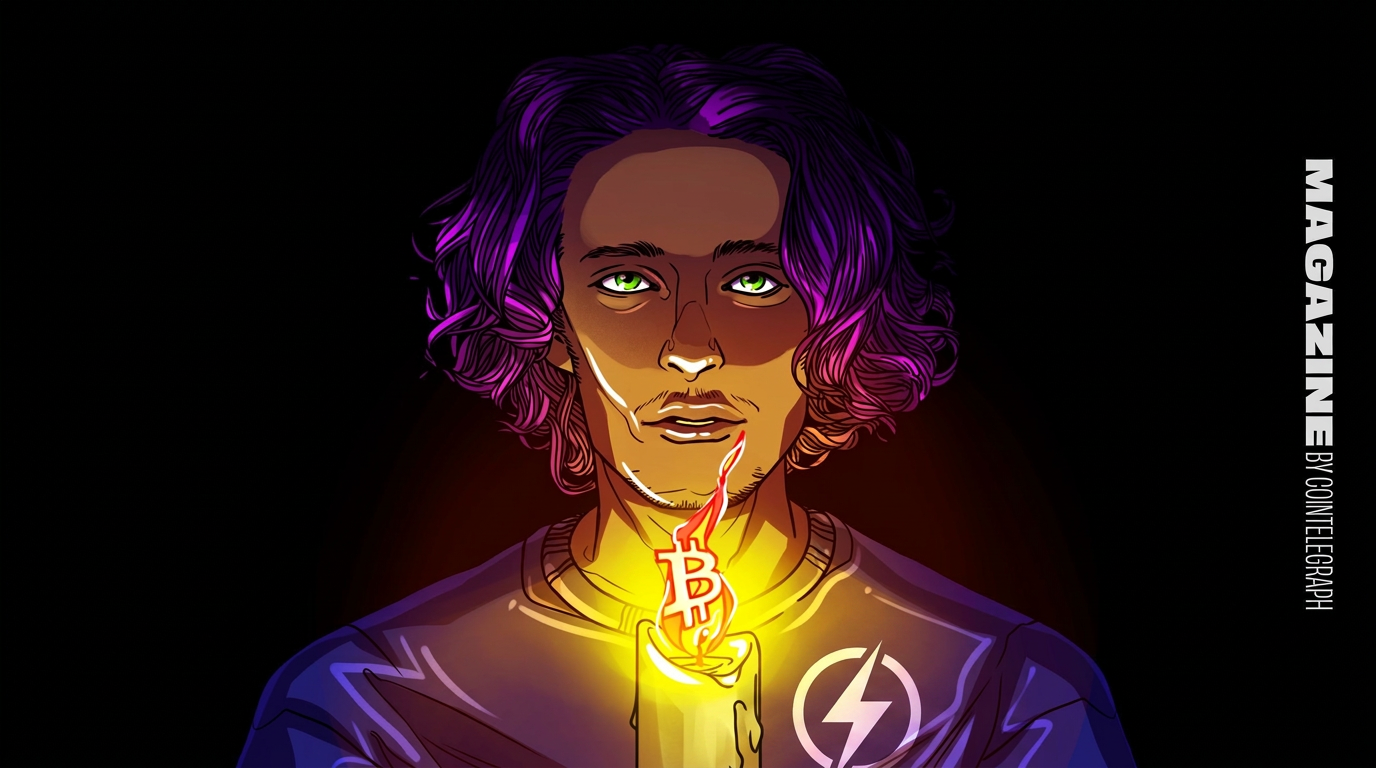
Bitcoin developer Paul Sztorc says Bitcoiners are lying to themselves about Lightning. Developers claim usability has improved, but questions remain over everyday adoption.
Bitcoin developer Paul Sztorc ruffled a few feathers this month with a brutally blunt assessment of the Lightning Network: Bitcoiners are lying to themselves about how well it works.
“Most people don’t realize how bad the Lightning Network is,” Sztorc said in an October 4 post on X, “because there has been a vast, years long conspiracy to ***lie*** about the LN user experience.”
He argued that custodial Lightning services account for more than 80% of payments, and described their promotion as a “vast campaign of fraud on par with Elizabeth Holmes’ Theranos,” he said, referring to fake blood-testing device company whose founder was convicted of fraud.
Lightning payments are private by design, making it impossible to establish the custodial share from public network data alone. Sztorc did not respond to Magazine’s requests for comment.
But his scathing criticism resurfaces a topic Bitcoin developers have wrestled with for years: Has Lightning made Bitcoin easier to use, or has the community become so invested in Layer 2 protocol that it overlooks its shortcomings?
Lightning was designed to enable faster, cheaper Bitcoin transactions without every payment having to be individually recorded on the blockchain, but its underlying mechanics have often created friction for users and businesses alike.
Sztorc says people don’t realize how bad the Lightning Network is. Source: Paul Sztorc
In a one-click world where users of TradFi rails can tap a card or click a mouse to complete a transaction, Lightning’s clunky payment channels rely on liquidity being available in the right places at the right times. Routing payments through the network can fail, especially larger payments requiring several hops through different nodes.
Related: Big Questions: Does Satoshi actually own 1.1 million Bitcoin?
Even Lightning’s head of liquidity, Alex Bosworth, said this month, “the painful truth is that in a setup with privacy and p2p etc it’s extremely slow compared to tap to pay.”
Added to that, running a node and managing channels is simply way too technical for the average user, who just wants to pay for stuff and get on with their day. That’s the reason for high estimates of custodial use — it’s easier and works better at the expense of using a trusted intermediary.
Source
This article is syndicated for educational reading. For the latest updates, visit the original publisher.
Read on cointelegraph.com