MARA Holdings (MARA) missed earnings estimates as large unrealized losses on its bitcoin (BTC) holdings overshadowed modest growth in mining output in the second quarter.
Revenue came in at $174.9 million, below the $204 million consensus estimate, while it posted a net loss of $611 million. The company mined 2,422 BTC during the quarter, up 3% from a year ago, and increased its energized hashrate 22% to 70.3 EH/s.
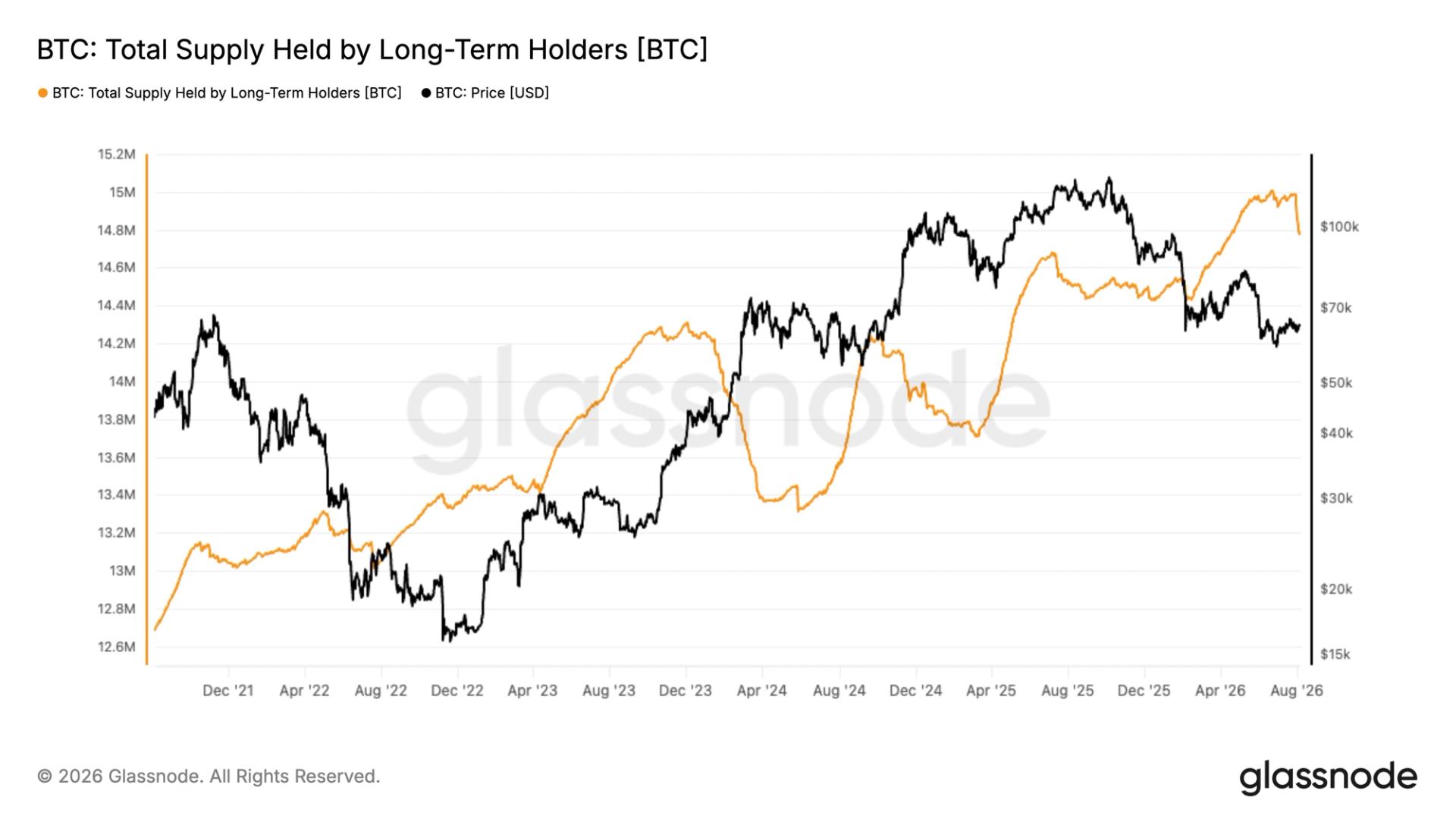
Bitcoin held fell 29% from year-ago levels to 35,577 BTC.
Shares traded flat near around $10.60 following the report, after they slipped 5% during the regular session ahead of the earnings.
CleanSpark (CLSK) reported third-quarter results that missed Wall Street revenue expectations, posting $138 million in revenue versus the Street’s $149 million estimate. Shares fell about 0.5% in after-hours trading.
The company highlighted its 20-year, $6.6 billion triple-net lease at Sandersville, fully funded its anticipated equity commitment, and secured long-lead equipment to keep the project on schedule. Total assets reached $2.7 billion, liquidity stood at $917 million, and power under contract increased to 1.8 gigawatts.
“We remain focused on the commercialization of our existing assets and the acquisition of scalable infrastructure to further bolster our portfolio," CEO Matthew Schultz said in a statement on X.
Markets are at an important point, with investors trying to work out whether inflation will keep slowing or stay stubbornly high. According to Oxford Economics, this week's economic data, especially Friday's U.S. jobs report, could influence expectations for interest rates and what the Federal Reserve does next.
Bond yields continue to be relatively high due to the U.S. government’s borrowing, keeping long-term borrowing costs elevated, even though markets are expecting fewer interest rate increases from the Fed than they were a few weeks ago. Investors will also be listening closely to comments from Fed officials for clues about how committed they are to bringing inflation back to target.
The FT reported this morning that Fed chair Kevin Warsh was prepared to raise interest rates in September if inflation fails to ease over the coming weeks and bond markets continue to come under pressure.
On a longer-term perspective, many economists expect inflation to continue easing as price increases for services slow, the effects of tariffs fade and supply chains improve. If that happens, the Fed may be able to leave interest rates unchanged for an extended period, creating a more stable environment for stocks, bonds and the wider economy, even if markets remain choppy in the short term, Oxford Economics said.
Among the proposals in the joint Iran/Omani plan to re-open the Strait of Hormuz: “The passage of vessels belonging to the U.S., the Israelis, and other hostile countries through the Strait of Hormuz will be prohibited.”
Source
This article is syndicated for educational reading. For the latest updates, visit the original publisher.
Read on coindesk.com