
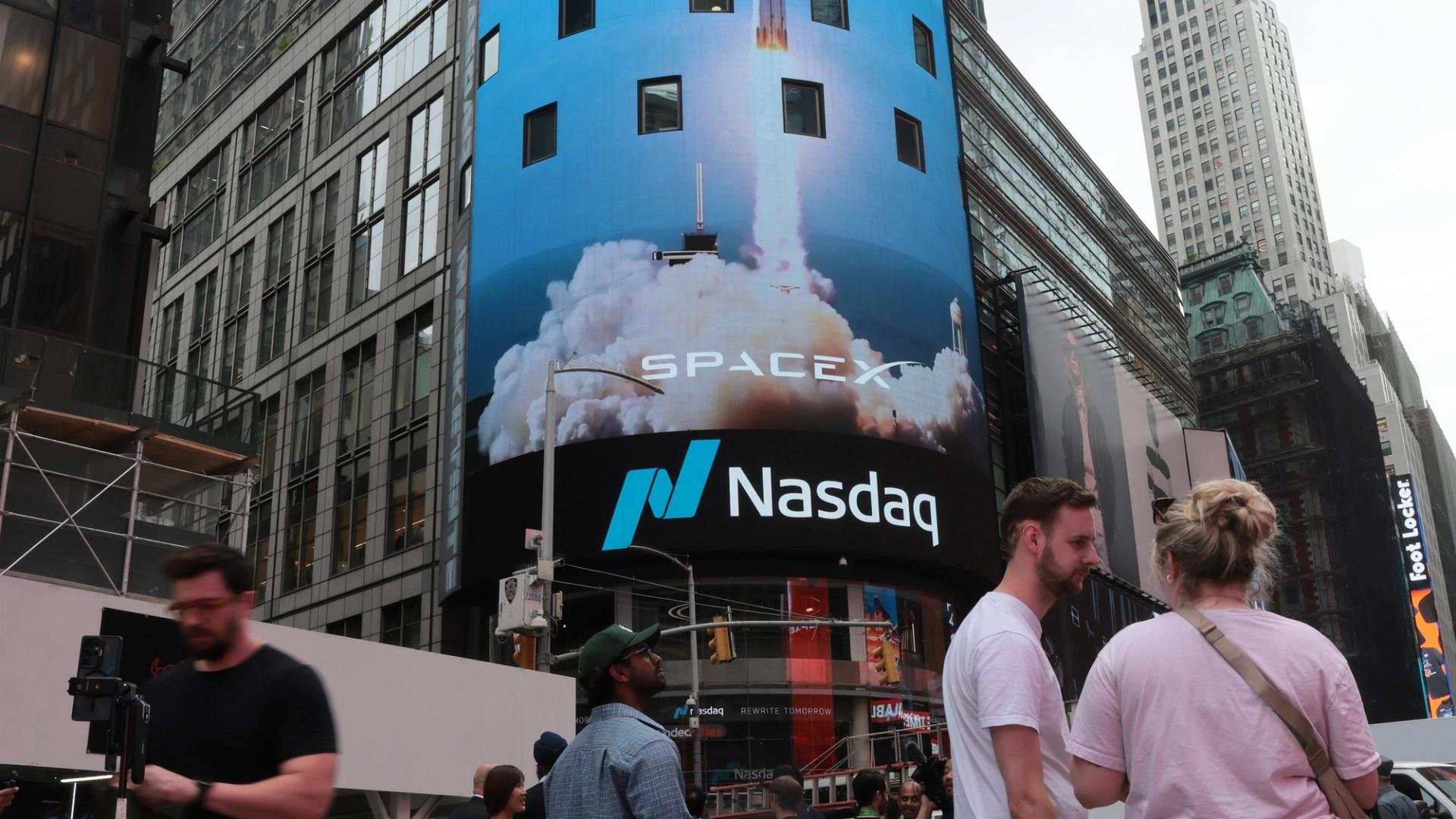
Nvidia, Tesla, Apple and Microsoft are among dozens of U.S. stocks that could soon be available to trade 24 hours a day, seven days a week on a new blockchain-based market from crypto exchange OKX and the owner of the New York Stock Exchange.
A regulatory filing from OKXICE, a joint venture between OKX and NYSE owner Intercontinental Exchange, listed more than 60 securities it plans to offer in tokenized form and explained how the new market would work.
The list includes Nvidia, Tesla, Apple, Microsoft, Amazon and Alphabet, as well as crypto-linked companies Coinbase, Circle, Robinhood, Strategy and Securitize. JPMorgan, Goldman Sachs, Walmart, Netflix, Reddit and Boeing are also among the names.
But inclusion in the filing doesn’t guarantee that every stock will trade on the platform, as companies can object to having their shares included during a 30-day window. Cerebras, for example, objected to the inclusion of its stock, according to the filing.
“No symbol is a given,” TD Securities analysts wrote in a report on Monday.
For investors, the easiest way to understand tokenization is to think of a familiar stock represented by a digital token that can be bought and sold on a blockchain.
Take Nvidia. Instead of buying the stock through a traditional brokerage account and having the trade processed through the legacy stock-market system, an investor on OKXICE would buy a digital token representing an entitlement to an Nvidia share.
The filing said the underlying stock would be held by a registered broker-dealer on a one-for-one basis, meaning one Nvidia token would be backed by one Nvidia share. Token holders would also be entitled to the economic and shareholder rights that come with the stock, including dividends and voting rights.
Rather than paying in dollars, investors on the new platform would buy and sell tokenized stocks using digital dollars known as stablecoins. OKXICE plans to support USDC, USDT and USDG, three cryptocurrencies designed to maintain a $1 value.
There also won't be the traditional system of matching a buyer's order with a seller's order. Instead, the stock tokens and digital dollars will sit in blockchain-based pools that investors can trade against. Buying Nvidia tokens takes them out of the pool and adds digital dollars, pushing the price higher. Selling does the reverse.
The pools, known in crypto as automated market makers, or AMMs, use rules to determine the price at which investors can buy and sell. More sophisticated versions can also allow professional trading firms to actively adjust prices and the amount of stock available, potentially making the market behave more like a conventional exchange.
TD Securities said these automated market makers, or AMMs, could take several forms. A conventional version, for example, would set prices using a mathematical formula based on the assets in a pool. But the bank thinks that more actively managed designs could matter more for stock trading.
Source
This article is syndicated for educational reading. For the latest updates, visit the original publisher.
Read on coindesk.com

