A would-be final version of the Digital Asset Market Clarity Act is circulating as the U.S. Senate sets up for its last major effort to get the crypto industry's long-awaited market structure bill into law, and it finally includes a contentious section banning crypto conflicts for the president, though that may only be a temporary measure.
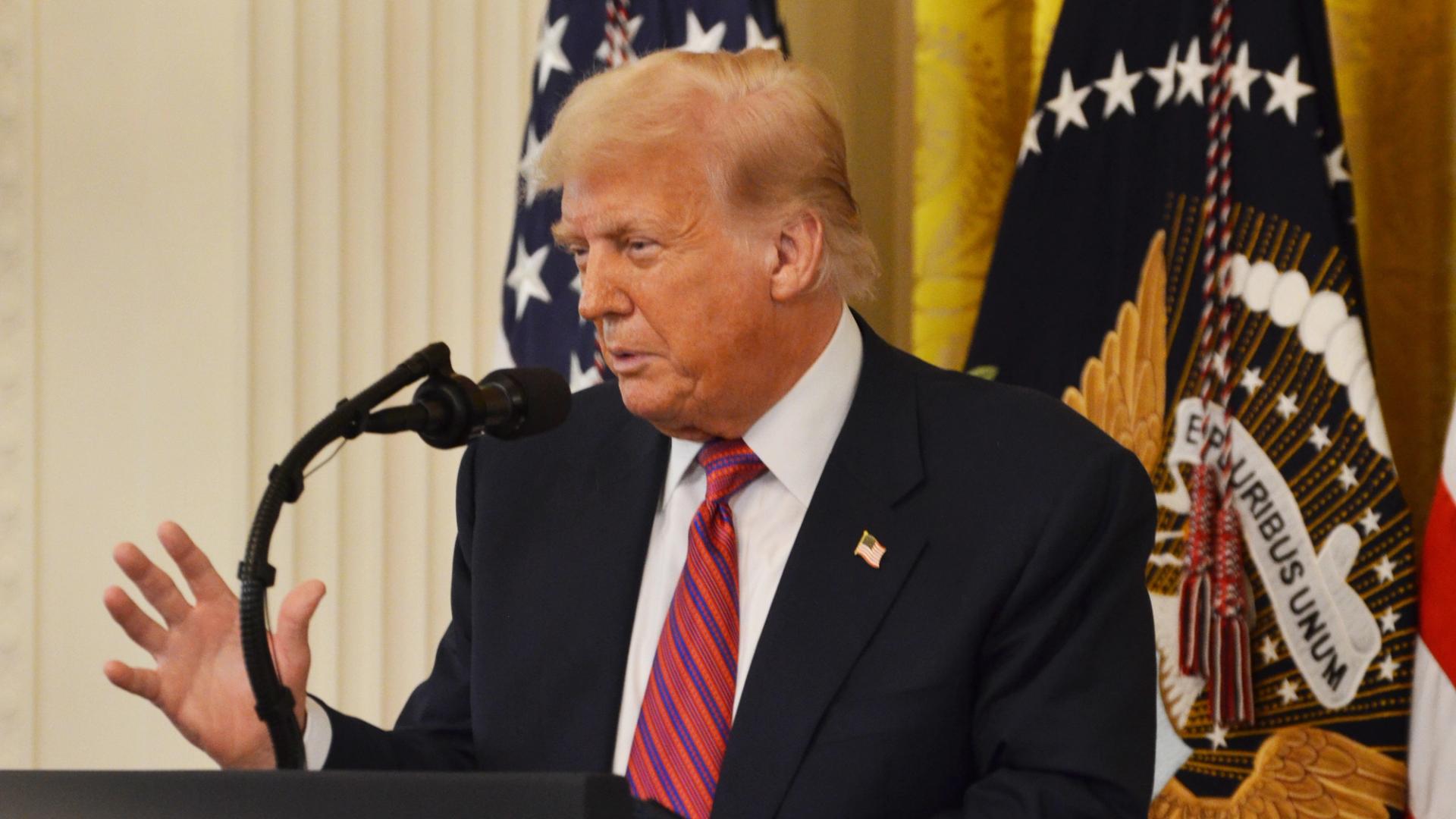
The final working draft of the Clarity Act has emerged days after talks with President Donald Trump had led to a deal on how Republicans would press the effort's biggest remaining hurdle: that section to limit the president and other senior government officials from direct crypto ties, which is currently set to conclude in 2029 and leaves the Department of Justice in the role of policing related ethics complaints, according to sources’ descriptions of the draft circulating on Wednesday.
But even as the crypto industry was shown details of the bill that will clock in at hundreds of pages, Democratic lawmakers hadn't yet seen the draft, the text of which was posted at Punchbowl News. The Senate is expected to need at least 10 Democrats to approve the final bill before it can become law, because of the chamber's requirement for 60 yes votes on most legislation, and many of them already didn't like what they were hearing on the ethics section.
Senator Angela Alsobrooks, one of the few Democrats who voted for the bill in committee, said in a statement before the bill’s release, “This DOJ enforcing an ethics provision? That's an unserious offer, and I wouldn't support the bill if that's the language. But we'll keep working from that floor to reach an agreement that holds us all accountable.”
Senator Cynthia Lummis, a Wyoming Republican who has been a leading negotiator for Clarity, issued a statement in which she thanked Democrats for their contributions to the draft and shared “my commitment to reaching a deal in the coming days that will allow this legislation to become law.”
The overall bill text is reflective of work in two relevant Senate committees — Banking and Agriculture — plus the addition of a lot of new language meant to ensure the safety of digital assets users and investors. Majority Leader John Thune, the Republican in charge of the Senate's agenda, intends to move forward with floor action in the coming days before summer recess, his office told CoinDesk on Wednesday, and the latest version includes dozens of pages of extra material meant to please Democrats.
“Today’s draft is a meaningful step toward the Senate vote on the Clarity Act we’ve been calling for,” said Digital Chamber CEO Cody Carbone in a statement. “We’re encouraged, and we’re ready to keep working until the bill reaches the president’s desk.”
One thing that may land as a significant relief for the decentralized finance (DeFi) corner of the industry is that the section known as the Blockchain Regulatory Certainty Act remains intact, meaning developers that don't control users' assets won't be treated under the regulatory regime as "money transmitters," with all the compliance burdens that would come with that. The draft also includes new language on federal preemption, provisional registration procedures and commodity pool operators — all still being furiously studied by the experts.
Miller Whitehouse-Levine, the CEO of Solana Policy Institute, outlined a few points in the bill, including that it would provide a “clear regulatory treatment for tokens and token fundraising, establish regulation for exchanges, give financial institutions the green light to use public blockchains, direct the federal agencies to create a regulatory pathway for tokenized securities and futures markets onchain and, most critically, establish robust consumer and developer protections.”
Last week, several Senate Democrats gathered for a press conference explaining their opposition to the Clarity Act, and warning of the crypto sector's rapidly growing influence in Washington.
The party has been split during the months of negotiations over Clarity, with some senators consistently opposing the bill under Elizabeth Warren's banner and others actively negotiating with Republicans. And one common position among Democrats has been that Clarity will need that ban on government officials' digital assets involvement, which throws a spotlight on Trump's dealings.
In the wake of Trump's personal financial disclosures that revealed he'd earned more than $1 billion from his crypto interests last year, Democrats have latched on to those figures as proof of their accusations of corruption and conflict of interest in the White House.
Source
This article is syndicated for educational reading. For the latest updates, visit the original publisher.
Read on coindesk.com