
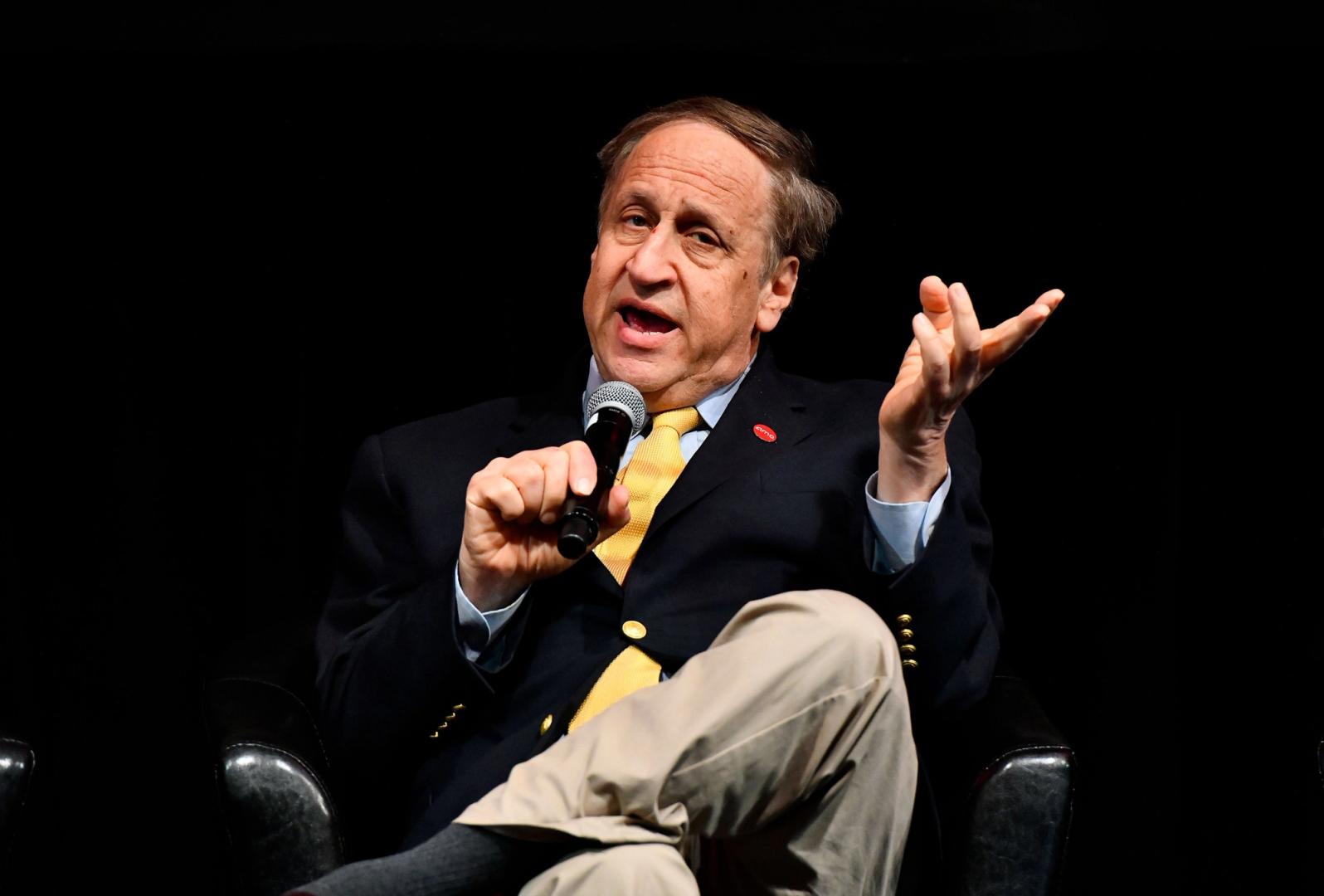
AMC Entertainment CEO Adam Aron escalated his fight with Robinhood over its tokenized stocks on Friday, calling on the brokerage to stop trading tokens linked to AMC shares and threatening legal action.
Aron’s comments came in response to Robinhood CEO Vlad Tenev, who asked “what’s the concern?” in an X post after Aron first criticized the products on Thursday. Aron said the tokens could undermine AMC’s ability to raise capital, deny investors shareholder rights and create a parallel market using the company’s name without its consent.
“Your setting up some kind of fictitious synthetic equity market decouples stock token ownership from a company’s ability to control its own capital raising efforts,” Aron wrote on X.
Aron also questioned Robinhood’s use of an offshore structure and whether the products comply with U.S. securities laws. “This quasi-fake market you are creating on the island of Jersey sows distrust amongst the public about financial markets in general,” he wrote.
He called on Robinhood to “cease and decist” [sic] trading AMC stock tokens and said AMC plans to raise the issue with the U.S. Securities and Exchange Commission (SEC).
Robinhood Chief Legal Officer Dan Gallagher, a former SEC commissioner, pushed back on Aron’s threat and signaled the brokerage has no plans to stop offering the products.
“We know a little something about the U.S. securities laws and will not ‘DECIST,’” Gallagher wrote in response to Arons’ post, poking at the AMC chief’s misspelling of “desist.” “Send your lawyers and we’ll educate them.”
Aron later said that the misspelling was an intentional “attempt at humor.”
Robinhood CEO Vlad Tenev amplified the response, sharing Gallagher’s post with the comment: “We stand behind Stock Tokens.”
The spat cuts into a growing fault line in stock tokenization as crypto firms, fintechs like Robinhood and Wall Street institutions race to put equities on blockchain rails.
Stock tokens can take several forms. Some providers create synthetic wrappers that track the price of a stock without making the token itself a registered share of the company. Other models tokenize shares held with a regulated custodian, while issuer-sponsored approaches put actual company shares onchain with shareholder rights attached.
Robinhood's products fall into the first camp, allowing investors to gain exposure to U.S. equities without participation from the companies whose stocks they track. The tokens are not available to U.S.-based customers.
Source
This article is syndicated for educational reading. For the latest updates, visit the original publisher.
Read on coindesk.com

