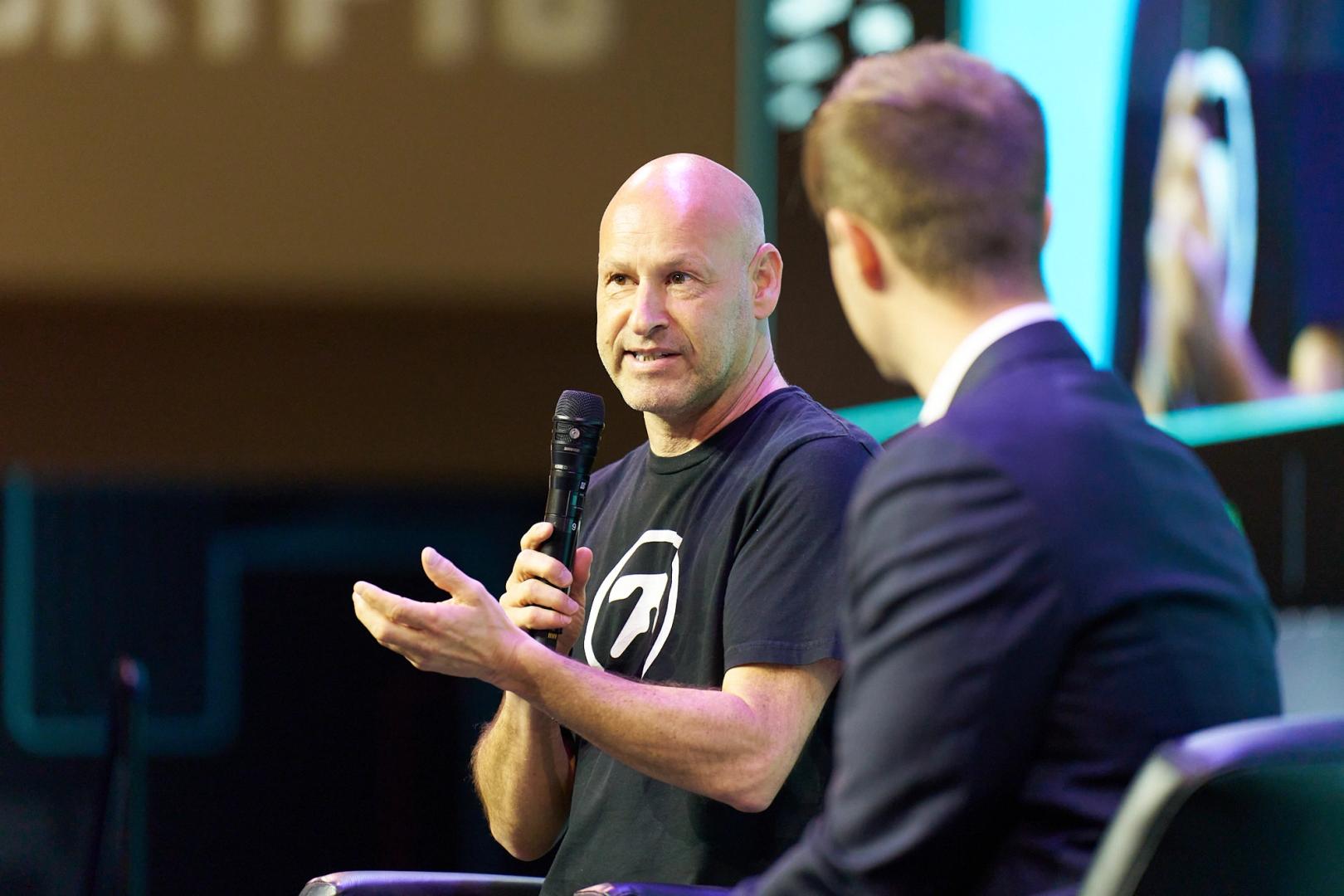
“The crypto industry shouldn’t need wake-up calls from the White House or anyone else,” said StarkWare CEO Eli Ben-Sasson.
Zero-knowledge scaling company StarkWare has released a quantum-resistant roadmap for Starknet, arguing that other chains will remain exposed if the industry is “too stubborn or stupid” to act.
In an announcement on Tuesday, Starknet framed its three-phased quantum-resistant roadmap as evidence that the crypto industry has no excuse for remaining vulnerable to future quantum computing attacks.
“The tried-and-tested cryptography exists to secure every crypto key in the world, if necessary changes are made, and the only reason anyone will remain vulnerable is if heads remain buried in the sand,” said Eli Ben-Sasson, CEO at StarkWare.
Efforts to quantum-proof blockchains are accelerating as some researchers warn that quantum computing could outpace blockchain’s defenses and cryptographically relevant quantum machines could be ready before 2030.
The Bitcoin community remains divided on how to approach securing old coins against the quantum threat, while other networks are forging ahead with quantum roadmaps.
Ben-Sasson said Starknet can become resistant to quantum attacks by “seizing on its architecture advantage.” Its underlying cryptography is zero-knowledge STARK (Scalable Transparent Argument of Knowledge) proofs, which are “inherently post-quantum safe.”
Ben-Sasson said that if Starknet can become quantum-resistant by “seizing on this cryptography,” then anyone else can do it by choosing the right cryptography. “We need to be nimble in blockchain and crypto,” he said.
Related: Trump signs orders for quantum computer, cryptography upgrades
He added that crypto has an “elliptical illusion,” distorting reality around elliptic-curve cryptography, the current standard for securing blockchains.
Believing that this will be quantum resistant is “false confidence” that is leaving the industry “dangerously complacent,” he said.
Some migration problems are genuinely hard, involving technical trade-offs, governance decisions, and dependencies that no single team controls, he added, but said: “difficulty is not an excuse for delay.”
Source
This article is syndicated for educational reading. For the latest updates, visit the original publisher.
Read on cointelegraph.com