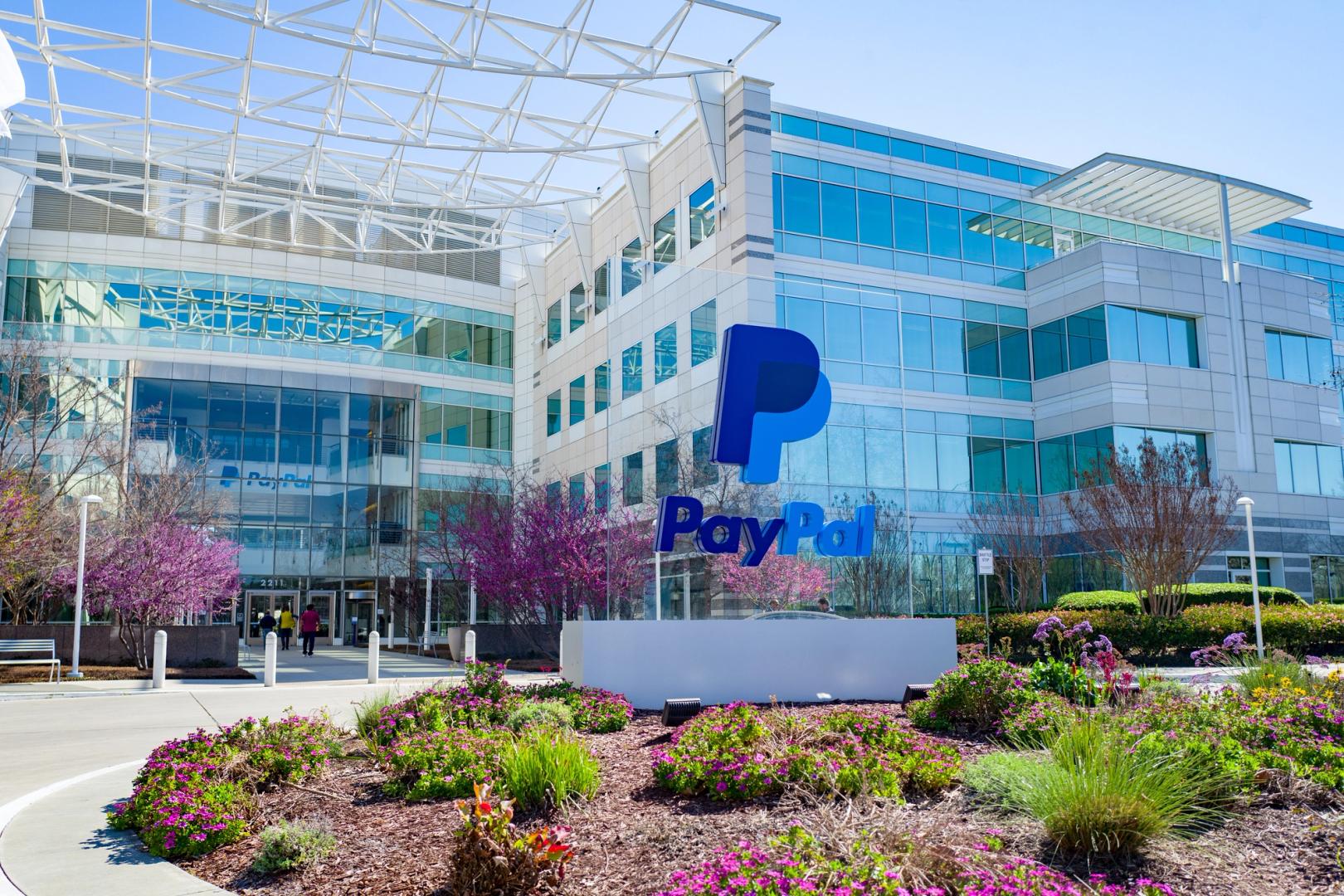
A potential $53 billion acquisition of PayPal (PYPL) by payments rival Stripe has reignited debate over what holds the keys to the next generation of digital payments.
While both companies are giants in the fintech and payments industries, the strategic logic behind the acquisition is particularly compelling through the lens of stablecoins and blockchain.
Stablecoins are digital tokens pegged to the value of traditional financial assets like fiat currencies and have become one of the most prominent areas in which cryptocurrency has pushed further into the mainstream in recent years, partly because of companies like Stripe and PayPal, as well as the introduction of formal regulatory regimes in the U.S. and elsewhere.
PayPal has more than 400 million active consumer accounts, owns mobile payment service Venmo and is one of the world’s most recognizable checkout logos. Between them, Stripe and PayPal would unite merchant acceptance and consumer reach, potentially sending mainstream stablecoin acceptance into another stratosphere.
While PayPal still has to publicly respond to the takeover offer, digital asset industry commentators see the underlying infrastructure consolidation as the most significant angle in the acquisition if it comes to pass.
"The name on the front of the wallet means far less than whose infrastructure clears the payment behind it," Torab Torabi, CEO of stablecoin infrastructure firm Movement Labs, told CoinDesk.
Stripe has been active in expanding its provision for stablecoin infrastructure in recent years, first through the acquisition of Bridge for $1.1 billion in 2024 and, more recently, the introduction of its own blockchain network Tempo last year.
It is also one of many major firms to join the stablecoin consortium Open USD last month. The digital dollar project, which also involves Coinbase (COIN), Mastercard (MA), Visa (V) and BlackRock (BLK), is built to rival Circle’s USDC as the stablecoin of choice for financial institutions and businesses.
One immediate question raised by a potential acquisition of PayPal is the fate of PYUSD, the dollar-backed stablecoin of which PayPal is the primary distributor.
“The incremental addition of PYUSD would produce the first fully vertically integrated private digital dollar stack in the market, encompassing issuance and reserve management, settlement and movement rails and enterprise merchant processing,” Citi said in a research note.
“Stripe has previously committed to OpenUSD as its default checkout stablecoin for its merchant base. A consolidated PYUSD deployment could challenge that commitment, establishing a proprietary commerce-layer stablecoin with simultaneous captive supply-side (millions of Stripe merchants) and demand-side (440 million consumer wallets) distribution.”
If Stripe sees the distribution on offer from PayPal’s user base as the big prize, it begs the question of how aggressively Stripe would direct users towards assets native to its own ecosystem.
Source
This article is syndicated for educational reading. For the latest updates, visit the original publisher.
Read on coindesk.com