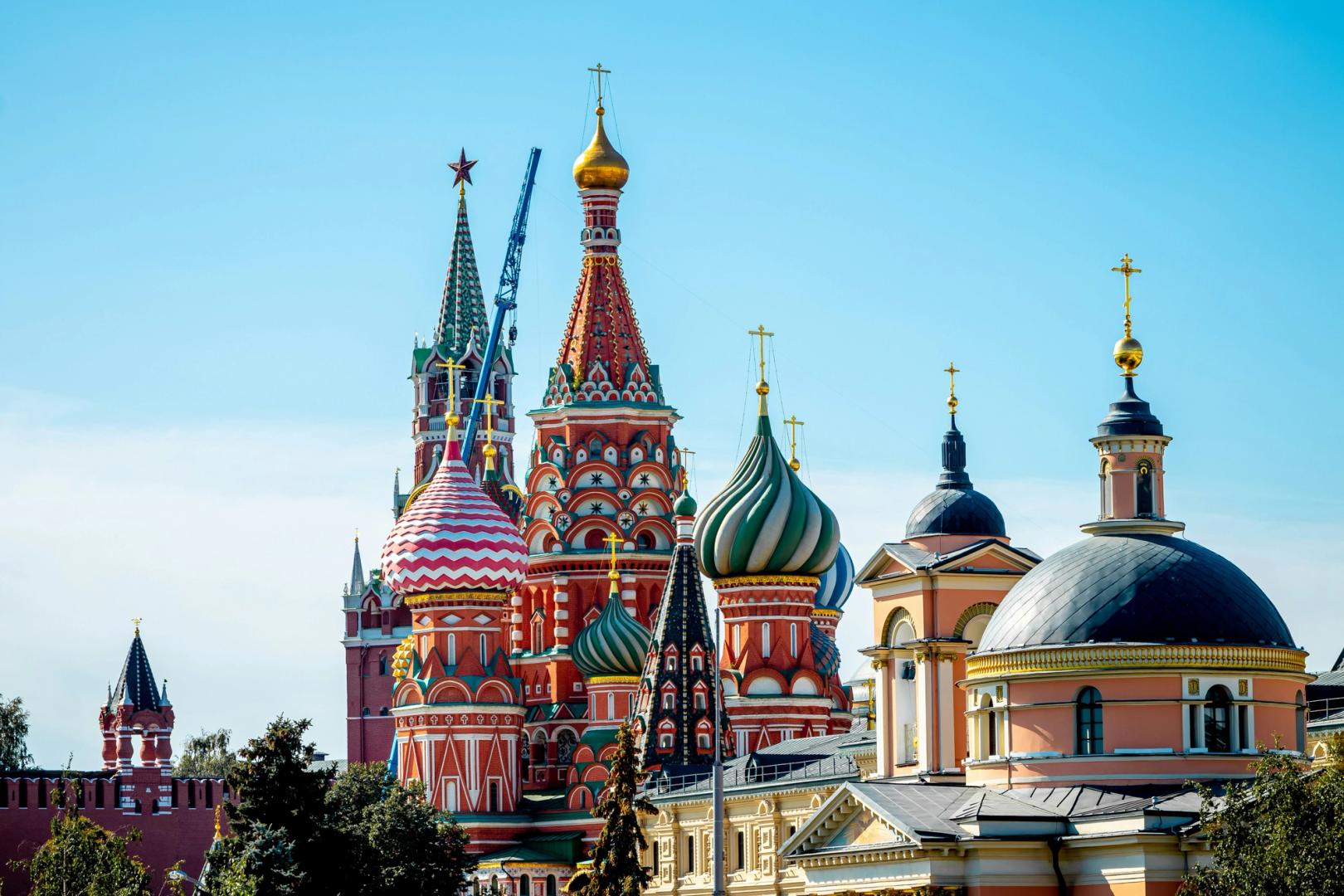
Crypto mining was banned in Moscow, the surrounding Moscow Region and parts of Kursk, with the restrictions set to run through Dec. 31, 2032.
The measure, established under government decree No. 936, also prohibits participation in crypto mining pools. The decree was signed on July 25 and published on July 31, local media reports.
Russia as a whole accounted for an estimated 175 exahashes per second, or 16.4% of Bitcoin’s global computing power, in the first quarter, according to Luxor’s Hashrate Index. That placed it second behind the U.S., although it’s unclear what capacity was located in the newly restricted region.
The country’s Energy Ministry said a year-round restriction was needed to reduce the risk of power-capacity shortages as energy-intensive mining facilities connect to regional grids. Mining currently consumes roughly 1 gigawatt in the Moscow power system, while the region’s data-center capacity could reach 3.6 GW, or 17% of peak demand, by 2032, Interfax reported after the decree was first signed.
Mining is also linked to the country’s Western sanctions.
Russian companies had been using domestically mined bitcoin in international payments after legal changes designed to counter Western restrictions, Finance Minister Anton Siluanov said in December 2024.
Legislation passed by parliament in July maintained Russia’s ban on domestic crypto payments but preserved exceptions for foreign-trade settlements and transactions involving mined cryptocurrency, keeping the mechanism available as sanctions restrict conventional payment channels.
Adding to that, the U.S. Treasury sanctioned BitRiver and 10 subsidiaries in 2022, saying Russian mining companies helped the country monetize its energy resources and could offset the impact of sanctions.
Russia legalized registered crypto mining back in 2024, before banning the activity in 10 regions through March 2031, citing electricity demand. Year-round restrictions were later extended to southern Irkutsk and most areas of Buryatia and Zabaykalsky Krai.
Zcash’s Tachyon upgrade aims to scale shielded payments, improve quantum readiness, and test whether its funding, security, and governance can hold.
Zcash’s Tachyon upgrade aims to scale shielded payments, improve quantum readiness, and test whether its funding, security, and governance can hold.
Zcash’s Tachyon upgrade aims to scale shielded payments, improve quantum readiness, and test whether its funding, security, and governance can hold.
Source
This article is syndicated for educational reading. For the latest updates, visit the original publisher.
Read on coindesk.com